🇮🇷 🇺🇸 Putin prioritizes his relationship with Trump over Iran
And how high oil prices impact the Russian economy


Hello and welcome to your essential guide to Russian politics and economics! This time we focus on the consequences of the war in Iran:
Why are Russian officials so careful when talking about the conflict?
Will Putin follow through on new threats against Europe?
Can higher oil prices solve Russia’s economic problems?
We also look at unprecedented internet blackouts in Moscow, the arrest of (yet another) ex-deputy defense minister, an unusual mistake by the Kremlin’s press service, and whether the Russian capital is really experiencing financial difficulties.
⏳ This newsletter contains 1866 words and will take about 9 minutes to read. It was translated and edited by Howard Amos.
Kremlin wary not to alienate Trump with Iran war criticism
Russian President Vladimir Putin and other senior Russian officials have been extremely cautious when talking publicly about the conflict in the Middle East. Indeed, the Kremlin’s communications strategy could be summarized as: “repeat that Russia is a strategic partner of Iran, and avoid criticism of the U.S. leadership.”
Since the start of the U.S.-Israeli operation, Russia has only once explicitly criticized Washington. That was in a condolence message Putin sent to Iran after the killing of the country’s head of state, Ali Khamenei, in which he described the assassination as a “cynical violation of all norms of human morality and international law.” We don’t know whether Putin was similarly critical during a phone call with Trump on Monday, but it seems very unlikely. The Kremlin’s official statement following the call was conciliatory.
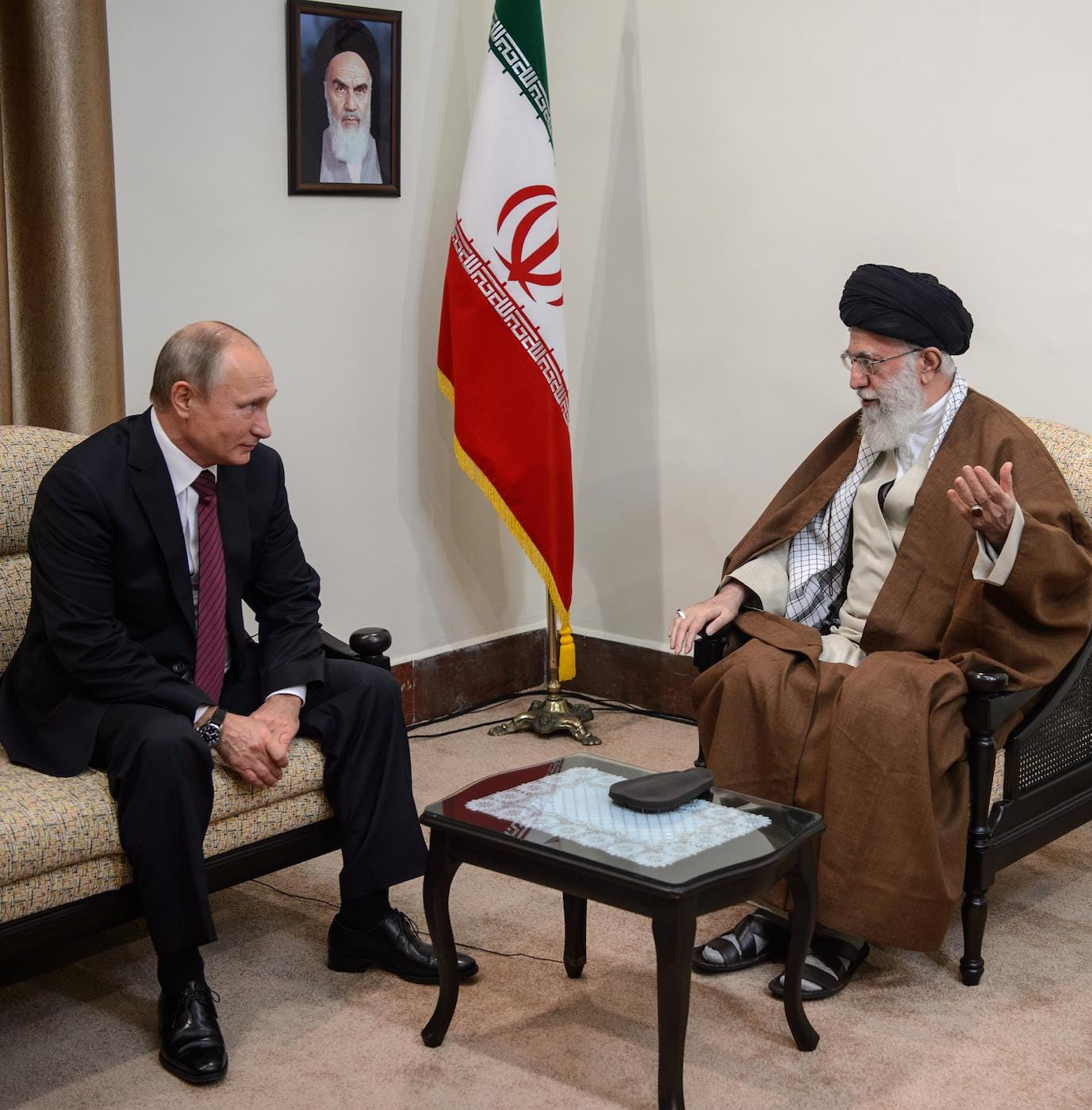
Although Iran is a Russian ally, and has provided the Russian military with drones for the war in Ukraine, two senior Russian officials told Faridaily that Putin does not want to risk angering Trump. In other words, Putin will put his personal relationship with the U.S. leader before any rhetorical assistance for Iran.
After all, Putin is a pragmatist. He understands that Trump’s presidency is an opportunity for Russia to win the war with Ukraine, said one of the sources, who is close to the Kremlin. “A war with Ukrainians to the bitter end would be an extremely negative, even catastrophic, outcome for Russia,” he added. Putin will continue engaging with Trump over Ukraine despite the war in the Middle East, added the second source.
At the same time, the public caution of Russian officials does not mean the Kremlin has frozen out Iran entirely. After all, Russia and Iran signed a strategic partnership agreement in 2025 that specified intelligence sharing and military consultation.
U.S. media outlets have reported over the last week that Moscow is providing Tehran with information (particularly satellite imagery) about the movements of U.S. troops, ships and aircraft in the Middle East. The Kremlin has declined to comment on the reports, and Trump has said he has no confirmation that this is the case.
Either way, it’s likely that, while the Trump-Putin relationship is the Kremlin’s priority, Russian officials also see the Iran war as presenting some opportunities. The two sources both highlighted a belief that the war in Iran was a step toward the sort of new world order Putin has been seeking.
“Might is right—that is now definitively the rule… In a sense, exactly the sort of world that Putin wanted,” said the source close to the Kremlin.
New threats to Europe
While wary of criticizing the U.S. and Israel, Putin has been far less restrained when it comes to Europe. In particular, he instructed the Russian government last week to assess the feasibility of an “early termination” of natural gas supplies to European countries (except Hungary and Slovakia). The word “early” here is a reference to the European Union’s full ban on Russian LNG and gas imports due to be implemented in 2027.
Deputy Prime Minister Alexander Novak later said that Russia was looking at re-directing supplies to China, India, Thailand, and the Philippines. If Russia did halt gas supplies, it would be a major blow to European energy markets. According to Eurostat, Russia provides about 16 percent of Europe’s LNG imports and 13 percent of the EU’s total gas supplies.
However, according to Faridaily’s sources, Putin’s threats should not be taken seriously. Above all, an end to gas supplies to Europe would inflict a major financial blow on Russia. One source said that Putin’s comments were just an attempt to push gas prices higher—adding to the pressure on European capitals amid the Iran war.
Higher oil prices will not solve Russia’s economic problems
The rise in oil prices triggered by the fighting in Iran will inevitably mean a financial windfall for the Kremlin. How much money Russia makes, though, will depend on how long the fighting continues, and whether oil prices remain elevated.
The nature of Russia’s tax system means we won’t have the data to calculate the Iran war windfall in March for a number of weeks. Instead, we can only make an educated guess.
Keep reading with a 7-day free trial
Subscribe to Faridaily to keep reading this post and get 7 days of free access to the full post archives.