📌 5 key challenges for the Kremlin in 2026


Hello and welcome to your essential guide to Russian politics and economics! In our first newsletter of 2026, we look at five pressing issues facing Russia’s rulers:
The first parliamentary elections since the start of the war
A possible squeeze on non–oil-and-gas revenue
The social and political impact of soldiers returning from Ukraine
The specter of declining living standards
The risks of implementing Russia’s “great internet firewall”
While the war in Ukraine continues, the Kremlin will carry on pretending life in Russia is “normal”—while simultaneously cracking down on dissent, tightening censorship, and squeezing every last drop out of the economy to achieve victory on the battlefield.
However, the war has become so all-consuming that a peace deal would also be a political challenge. In post-war Russia, there will be a reckoning with the enormous costs of the fighting (human and economic), as well as a search for new political messaging, and existential questions about how to generate economic growth.
The five key issues we predict will define Russia in 2026 could all be affected by an end to the fighting—but it will not diminish their importance.
⏳ This newsletter contains 1450 words—it will take about 8 minutes to read.
This newsletter is free, but please consider upgrading to premium to receive our exclusive reporting and analysis year-round!
📌 First parliamentary elections since the start of the war
Why does it matter? Over the last two decades, Russian President Vladimir Putin has done everything in his power to turn elections into a ritualized, purely technical procedure—from the widespread use of ballot-stuffing and fraud, to total control of the media. But the Kremlin needs to preserve a constitutional majority for the ruling United Russia party in order to be able to pass the laws it needs, and elections remain an important part of how the regime sees itself. In the run-up to the vote, the Kremlin will want to avoid angering the elite and the wider public. As a consequence, election periods tend to be a nervous time.
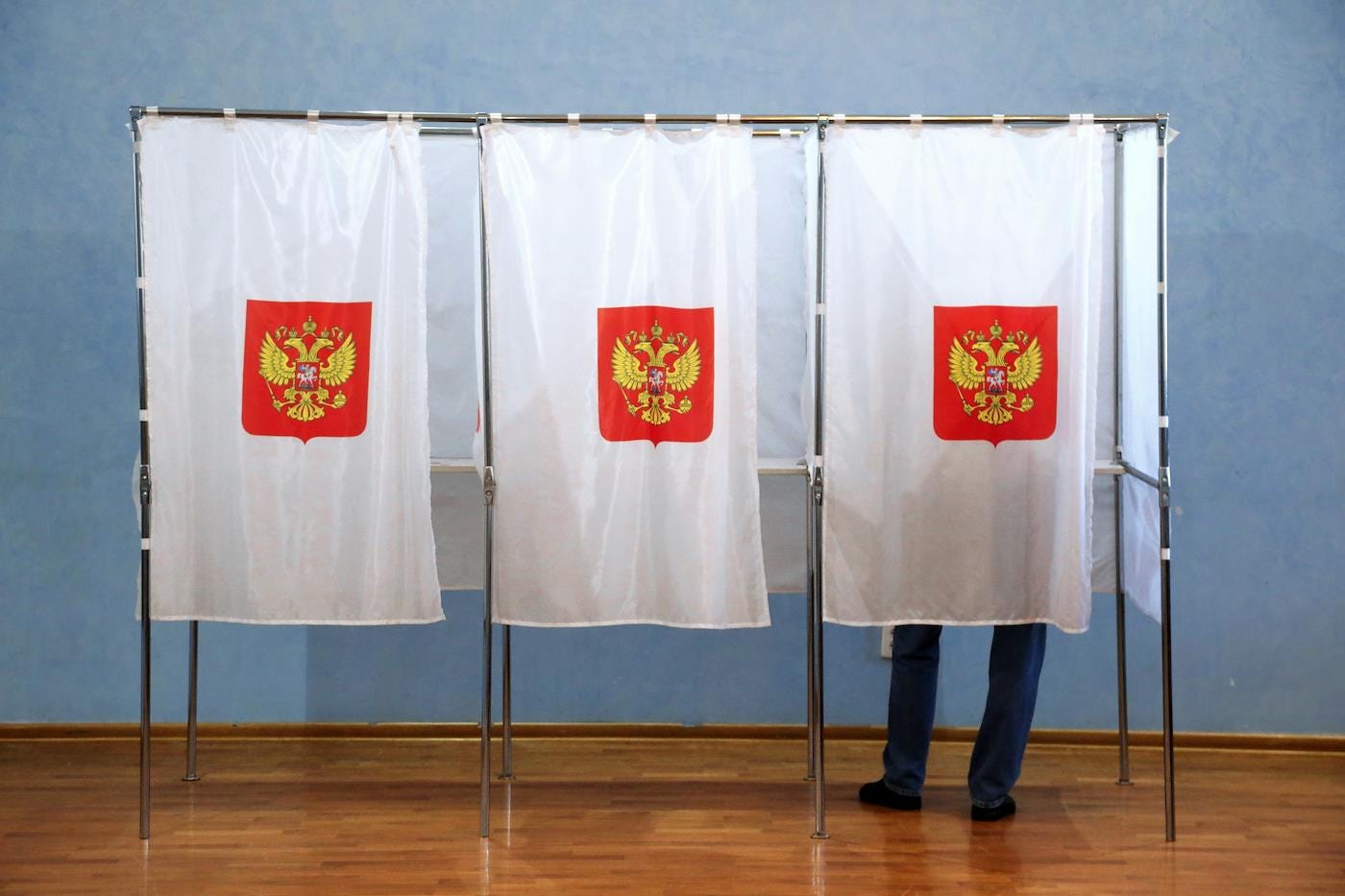
Wartime or peacetime? The most important consideration for the Kremlin is whether the elections—scheduled for September 2026—will be held while the fighting continues in Ukraine. In many ways, it would be more straightforward to hold wartime elections because the Kremlin already has the experience of the 2024 presidential elections.
Indeed, if a peace deal were reached in the coming months, it would make voting more unpredictable. The Kremlin’s political managers would have to take account of how exactly the war ended; how supporters of the war reacted to the arrival of peace; the impact of the return of hundreds of thousands of men from the front; and the economic situation. It’s possible the Kremlin’s concerns about their ability to “control” elections explains the online restrictions imposed this year, and repression targeting activists that pose no political threat.
📌 Squeeze on non–oil-and-gas revenue
Why does it matter? The idea that the Kremlin is solely dependent on money from oil and gas exports is a myth. As much as 78 percent of Russia’s budget actually consists of taxes, duties, and other revenue streams formally unrelated to oil and gas extraction (and this percentage has been rising). If non–oil-and-gas revenues were lower than projected next year because of anemic economic growth, it could influence policymaking—perhaps even pushing Putin toward ending the war in Ukraine.
Although Russian military spending remains at a record high, a lack of money could have serious consequences. Defense Minister Andrei Belousov recently complained his agency was operating amid “acute financial restrictions dictated by the federal budget.”
What are the risks? When drafting this year’s budget, the authorities projected 31.4 trillion rubles ($340 billion) in non–oil-and-gas revenues—almost 10 percent more than last year. This was a bold move given that the economy is expected to struggle. Even according to the official GDP forecast, growth will not exceed 1.3 percent, and estimates by most independent economists are under 1 percent. The government is hoping growth in non–oil-and-gas revenues will be delivered by additional VAT income (VAT was raised from 20 percent to 22 percent on January 1). However, it’s an open question whether this will generate enough money. Apart from anything else, the increased tax burden, and high interest rates, could push thousands of businesses into the shadow economy.
📌 Soldiers returning from Ukraine
Why does it matter? About 700,000 soldiers are currently fighting in Ukraine, according to official data. Whether they return all at once after a peace deal, or gradually, the consequences will be significant. Since the full-scale invasion in 2022, there have been at least 1,000 cases in which Russian soldiers have killed, or attempted to kill, Russian civilians far behind the frontlines.
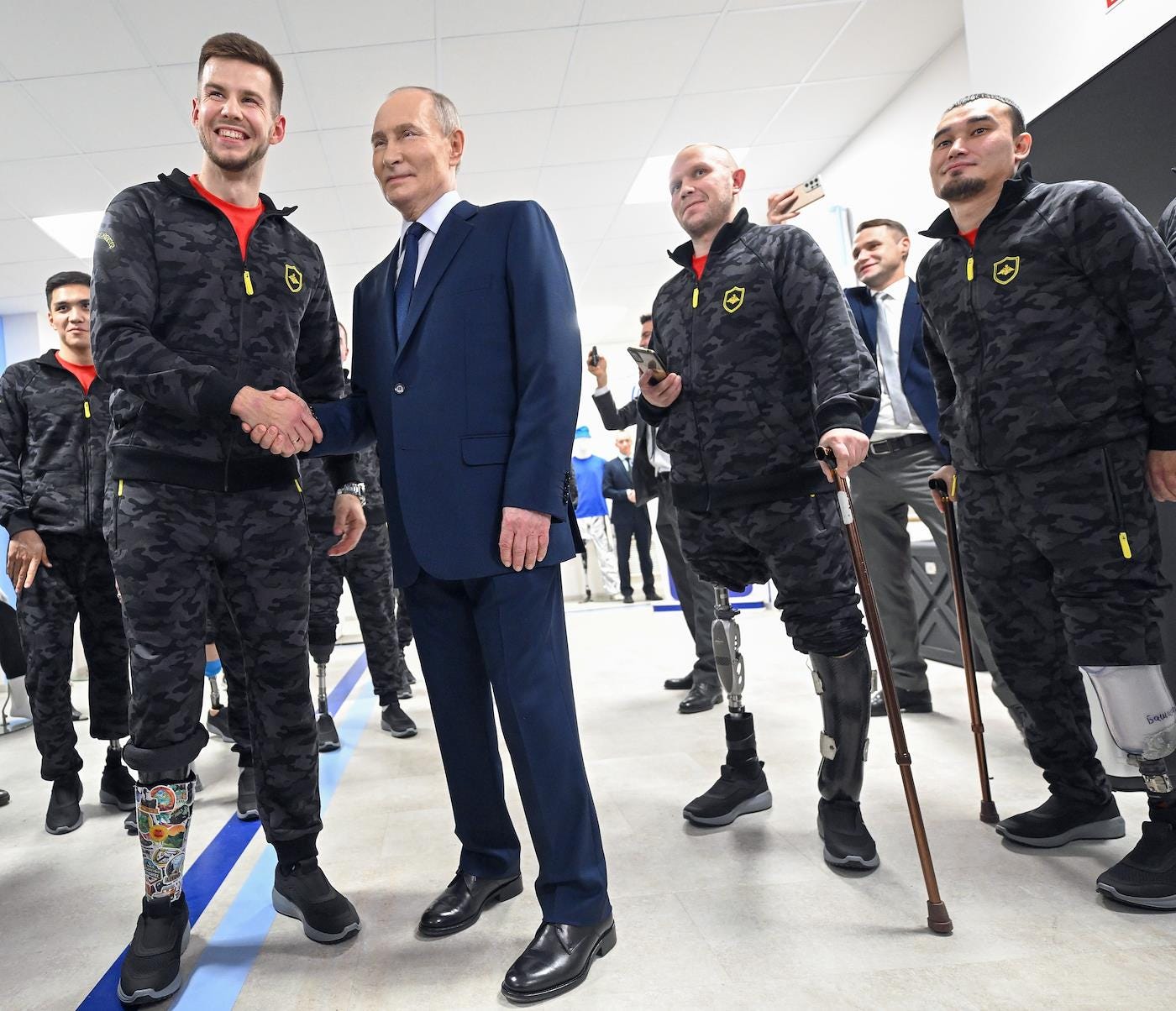
What to expect? State-owned media do not devote any airtime to the crimes committed by veterans. Instead, Russian propaganda—and Russian officials—refer to them as “heroes,” and glorify their exploits. Putin calls them a “new elite.” In private conversations, however, officials have previously conceded to Faridaily that these are badly traumatised men, who are accustomed to violence, and prone to PTSD and alcohol abuse.
The first to suffer from the violence committed by ex-soldiers will almost certainly be their families, especially their wives. But there will also be conflicts with civilians—particularly those who did not fight.
According to a government source, veterans have “a sense of grievance,” and believe they are superior to the “rats in the rear.”
Soldiers who enjoyed the enormous salaries and bonuses given to those who volunteered to fight may also be unwilling to settle for low-paid jobs when they return to civilian life. According to officials, 250,000 already-returned soldiers are unemployed. And a source in a government-affiliated analytical center said ex-soldiers might quickly end up in debt—making their existence even more precarious.
📌 Declining living standards
Why does it matter? Russia’s wartime consumer boom has come to an end. For the first two years of fighting, this helped the Kremlin maintain the illusion that the war was far away, and was having little effect on everyday life. But the illusion began to fade last year, and this process will continue to unfold in 2026.
What is happening to consumer demand? The boom of 2023–2024 was driven by rising household incomes, fueled by expanding social handouts (not only to the military and their families, but also, for example, to families with children), and, most importantly, by strong wage growth. However, wage growth slowed significantly in 2025. From January through October, Russian wages grew 4.7 percent year-on-year in real terms (compared to 9 percent in 2024).
Ongoing labor shortages mean modest wage growth will likely still be the norm in 2026. At the same time, high borrowing costs and weakening consumer confidence are already weighing heavily on consumer demand. Retail trade growth fell from 7.2 percent in 2024 to just 2.5 percent in 2025.
A gradual fall in living standards is extremely unlikely to have any dramatic political consequences. However, it could fuel unhappiness over the long-term. With an economy heading for stagnation, it will become harder and harder for the Kremlin to find the resources to manage this discontent.
📌 Implementing Russia’s ‘great internet firewall’
Why does it matter? The Kremlin carried out an unprecedented assault on internet freedoms last year and—if things continue—Russians may soon find themselves completely cut off from independent information, and communication with the outside world.
What happened in 2025? Russia effectively blocked WhatsApp, the country’s most popular messaging app; video sharing platform YouTube; and voice calls on Telegram, Russia’s second most popular messenger. At the same time, it pushed “national messenger” MAX as a replacement, including via laws mandating its use. In addition, many regions have had no mobile internet for six months—internet shutdowns in Russia last year broke all global records. In December, Putin claimed that Russia had “achieved full digital sovereignty.”
What will happen in 2026? There are no signs the online crackdown has come to an end—and some of the Kremlin’s plans for this year are already clear. Parliament is set to approve laws requiring Russians to register the International Mobile Equipment Identifiers (IMEIs) of their devices in a special database, allowing telecom operators to block “suspicious” devices. It will also be made illegal to receive calls from foreign numbers.
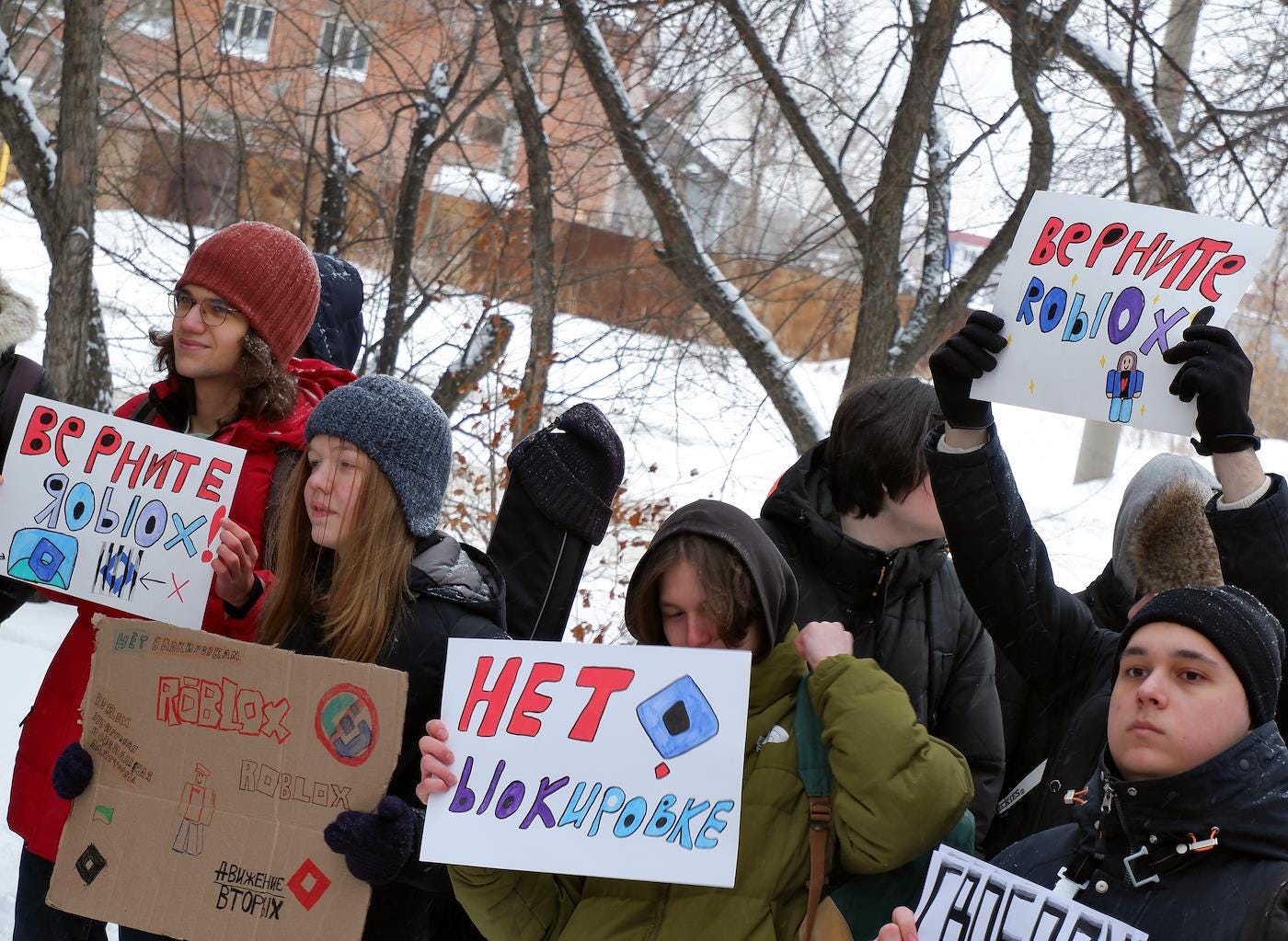
However, there is far from universal support for these restrictions. Even state-controlled pollster VTsIOM has said 39% of Russians do not support blocking foreign internet services. And this rises to 68% of those aged between 25 and 33. This has led to some small protests (for example, one in the Siberian city of Tomsk in December last year, shown above), and it’s possible that the discontent may play a role in the September parliamentary elections.